Free Technical Writing Course

Applied Technical Writing

Beginner level 3.0 learning hrs 2 Learners

Clear instructions are the focus of this free technical writing course. Join to plan a document around its reader, explain a task in plain language, and check whether the finished guide actually helps someone use it.

Key Highlights

Get free course content

Master in-demand skills & tools

Test your skills with quizzes

About this course

Clear instructions are the focus of this free technical writing course. You learn to identify a reader's task before choosing the information and structure a document needs. Audience analysis connects with headings, consistent terms, and step-by-step writing, helping you explain a process without expecting the reader to fill in missing steps. You do not need previous documentation experience to study these foundations.


Technical writing training then brings those choices into procedures, user manuals, and introductory API documentation. You consider when a diagram or table explains more than another paragraph, and how an expert's review differs from proofreading. Documentation editing lessons also connect feedback with version control and publishing. You gain a practical way to plan and evaluate your own writing, while learning to check facts and usability rather than assume that polished wording or an AI-generated draft is accurate.

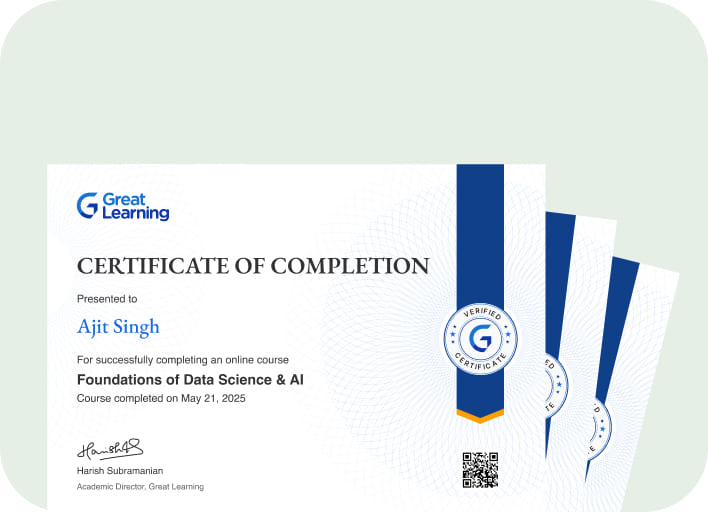
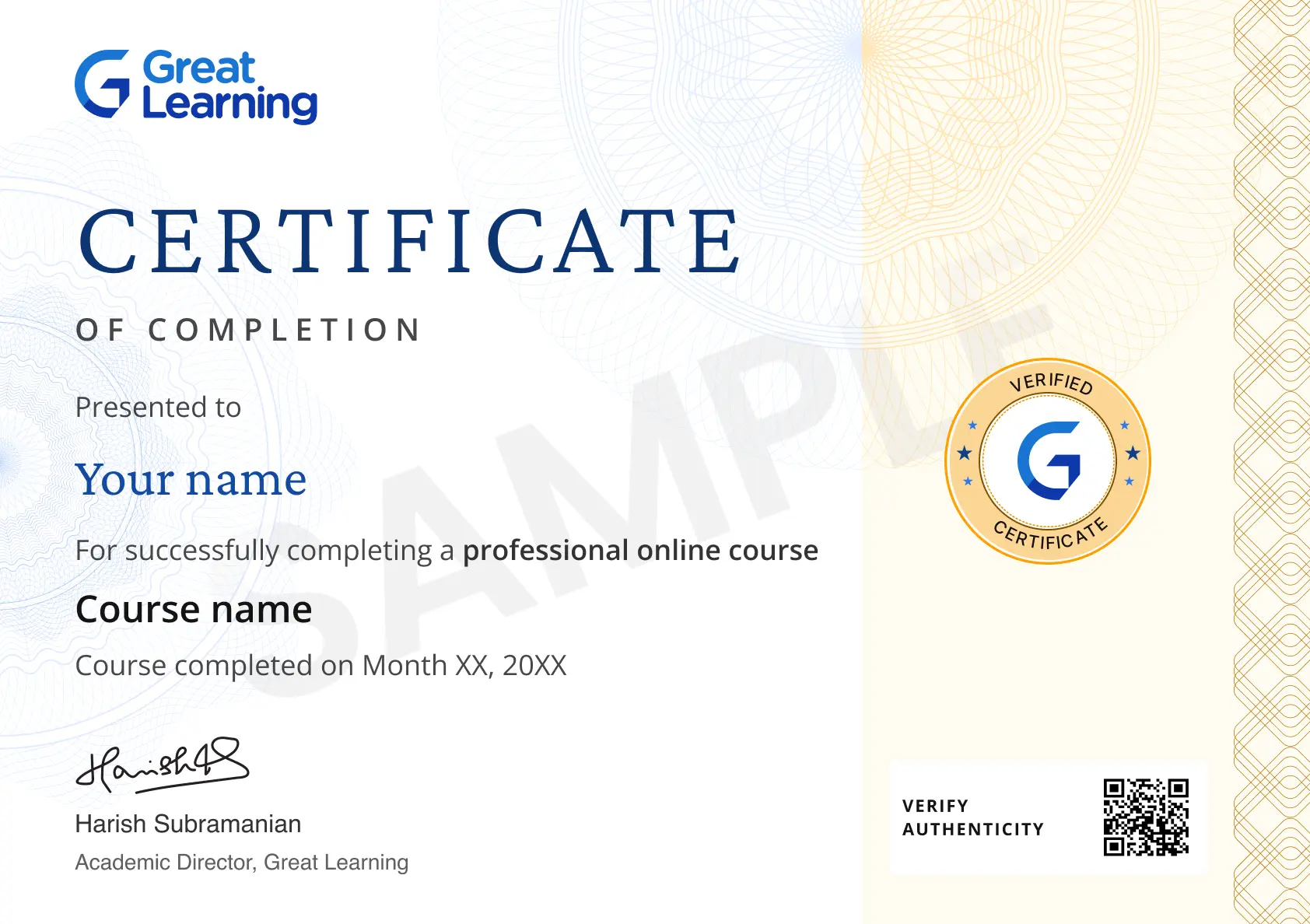
Stand out with an industry-recognized certificate

10,000+ certificates claimed, get yours today!

Get noticed by top recruiters

Share on professional channels

Globally recognised

Land your dream job

Certificate Image

Applied Technical Writing

3.0 Hours

Beginner

2 learners enrolled so far

Get free course content

Master in-demand skills & tools

Test your skills with quizzes

Trusted by 10 Million+ Learners globally

Frequently Asked Questions

How does the free technical writing course help me plan a document?

You start with the reader's task, existing knowledge, and purpose for using the document. That plan helps you choose what to explain and where it belongs before drafting sentences or selecting a template.

What makes technical writing different from promotional writing?

The opening lessons emphasize helping someone understand information or complete a task. You learn to favor clear terms and usable instructions over persuasive claims that do not help the reader act.

Will I learn to write standard operating procedures?

Procedure-writing lessons connect ordered steps with consistent language and necessary cautions. You study how an SOP describes a repeatable process and what a reviewer needs to check before it is released.

How do user manual lessons organize information?

You compare headings, modular sections, and task sequences so readers can locate the help they need. The focus is a usable structure rather than presenting everything you know in one long explanation.

What does the course cover about API documentation?

API documentation is introduced among several technical document types. You study its purpose and place in a documentation plan; the outline does not establish an advanced coding prerequisite or a live API project.

When should I use a diagram instead of more text?

Visual-design lessons connect diagrams, screenshots, and tables with a reader's question. You learn to choose a visual that explains a relationship or step, rather than add decoration to an already crowded page.

How is technical review different from proofreading?

An expert checks whether the content describes the subject correctly, while proofreading catches presentation errors. You learn why a document can be polished yet still need factual or usability corrections.

Which authoring tools are included in technical writing training?

The curriculum discusses documentation tools, content reuse, and publishing formats without confirming a license. You learn what a workflow needs before deciding which application fits your own writing project.

How are AI-assisted drafts handled in the course?

Modern writing topics introduce AI support alongside editing and expert collaboration. You consider a draft as material to verify and revise, rather than evidence that a process or technical claim is correct.

What can I develop after studying documentation editing?

The course introduces portfolio building and publishing workflows. You can use the planning and review process to develop writing samples, while checking any technical facts with a reliable source or subject expert.

Subscribe to Academy Pro+ & get exclusive features

$29/month

No credit card required

Learn from 40+ Pro courses

Access 500+ certificates for free

700+ Practice exercises & guided projects

Prep with AI mock interviews & resume builder

Enroll For Free