Free Critical Thinking Course

Creative Problem Solving Essentials

Beginner level 3.0 learning hrs 3 Learners

In this free critical thinking course, you learn to define a problem before choosing an answer. Join to check the evidence, compare solutions, and decide how to measure whether your chosen approach improves the situation.

Key Highlights

Get free course content

Master in-demand skills & tools

Test your skills with quizzes

About this course

The free critical thinking course takes you from an unclear problem to a reasoned decision. You first learn to distinguish symptoms from possible causes and write a focused problem statement. Root cause analysis training introduces the 5 Whys and fishbone diagrams, giving you ways to organize an investigation. Checking the credibility of evidence then helps you decide which explanations deserve further attention.


During the problem solving course, you generate alternatives before comparing them against clear criteria. Decision matrices and risk analysis make trade-offs easier to discuss, while lessons on cognitive bias help you examine your own assumptions. You then turn the selected approach into an action plan with ownership and a review of results. This progression gives you a practical way to explain a decision, test whether it helped, and revise your thinking when new information becomes available.

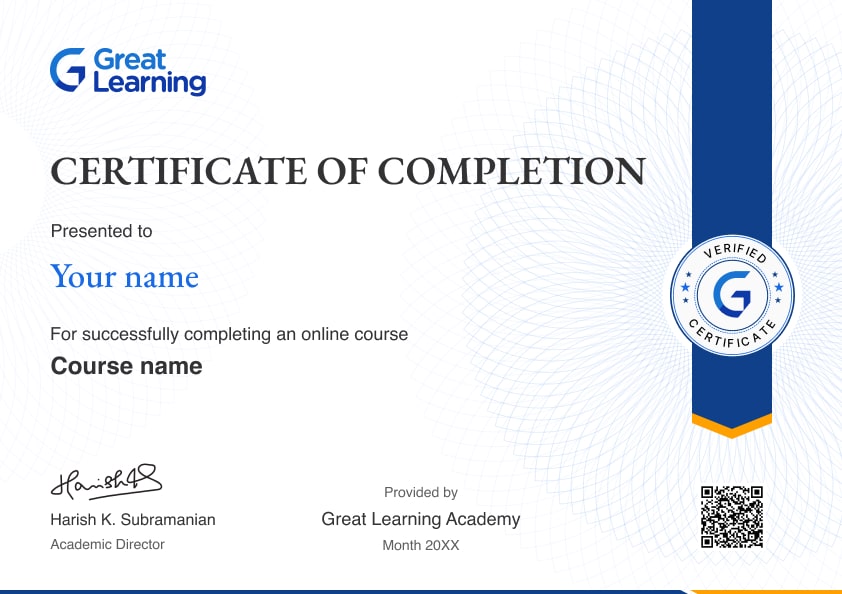
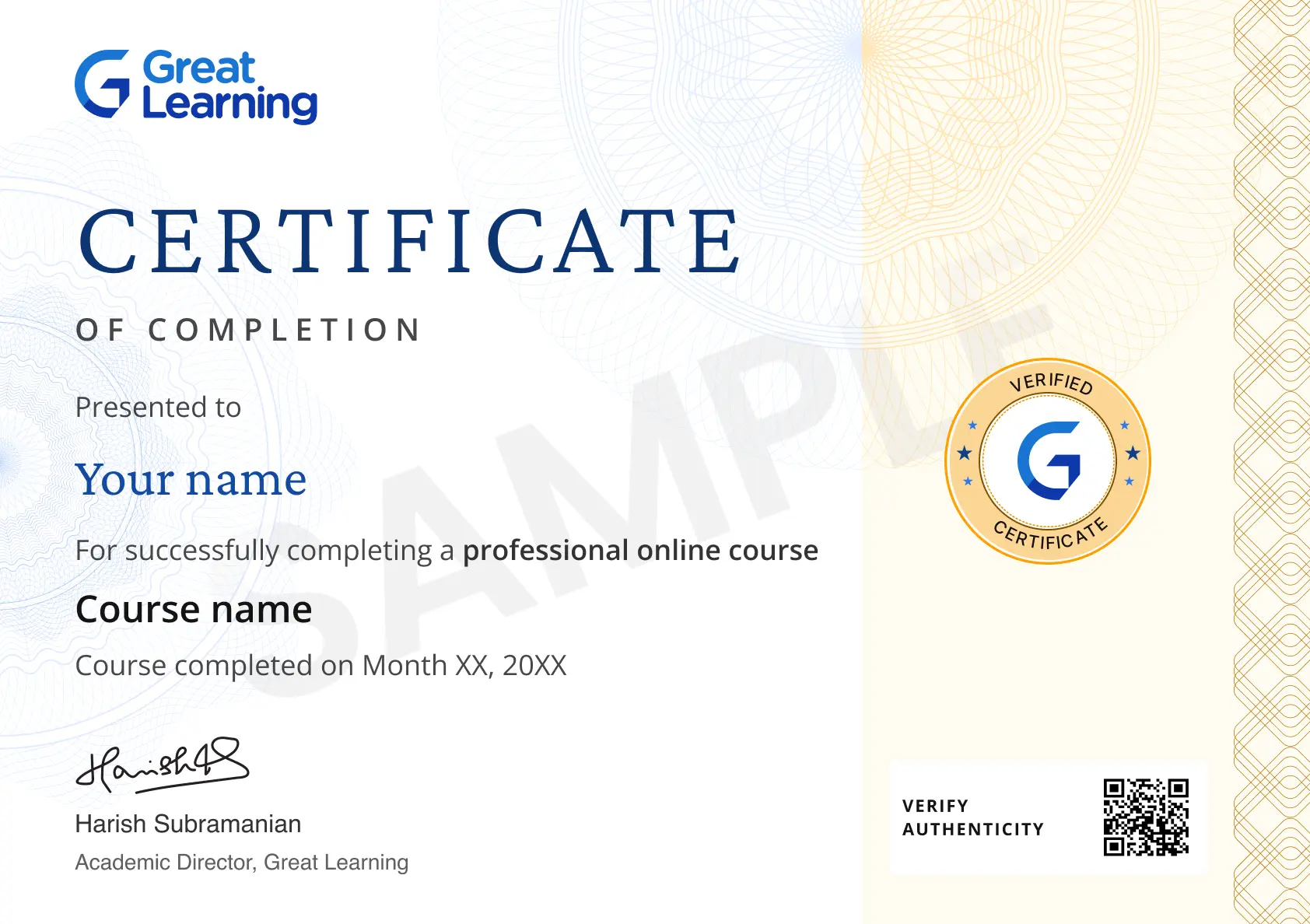
Stand out with an industry-recognized certificate

10,000+ certificates claimed, get yours today!

Get noticed by top recruiters

Share on professional channels

Globally recognised

Land your dream job

Certificate Image

Creative Problem Solving Essentials

3.0 Hours

Beginner

3 learners enrolled so far

Get free course content

Master in-demand skills & tools

Test your skills with quizzes

Trusted by 10 Million+ Learners globally

Frequently Asked Questions

How will I frame a problem in the free critical thinking course?

You learn to describe the gap between the current situation and the desired result. Separating that problem from its symptoms gives you a focused question to investigate before you start comparing possible solutions.

What is the purpose of the 5 Whys in root cause analysis training?

You use successive questions to examine why a problem may have occurred. The method helps organize an investigation, while evidence is still needed to check whether the suggested causes explain the situation.

When do the lessons use a fishbone diagram?

Fishbone diagrams organize possible causes into categories so a team can examine several explanations. You learn how this differs from following one chain of questions and how the diagram can guide further evidence gathering.

How does evidence evaluation help me assess an argument?

You examine source credibility and distinguish a fact from an inference or opinion. These skills help you identify assumptions and decide whether the available information gives enough support to a proposed conclusion.

What will I learn about logical reasoning?

The lessons compare deductive, inductive, and abductive reasoning and introduce common fallacies. You learn to examine the link between an argument's premises and conclusion, making the reasoning easier to explain and question.

How does creative problem solving move beyond the first idea?

You study brainstorming, SCAMPER, and other methods for generating alternatives before evaluation. Separating these stages gives less obvious options a chance to be considered before the group selects a preferred approach.

How are weighted decision matrices used in the course?

You compare options against stated criteria and assign weights to reflect priorities. The resulting matrix makes trade-offs visible, helping you explain a choice and check how different priorities could change the result.

How do decision-making lessons account for uncertainty?

Risk matrices, decision trees, and scenario planning help you examine possible outcomes. You learn to state the assumptions behind a decision and identify what new information would justify reviewing the chosen approach.

Which cognitive biases will I learn to recognize?

You study confirmation bias, anchoring, sunk costs, and groupthink through their effects on judgment. Reviewing competing explanations helps you notice when familiarity or a previous commitment is shaping a decision.

How does the course help me review a solution after implementation?

Action-planning lessons assign responsibilities and connect results with the Plan-Do-Check-Act cycle. You learn to define what will be measured and use feedback to decide whether to keep, adjust, or reconsider the solution.

Subscribe to Academy Pro+ & get exclusive features

$29/month

No credit card required

Learn from 40+ Pro courses

Access 500+ certificates for free

700+ Practice exercises & guided projects

Prep with AI mock interviews & resume builder

Enroll For Free