Free Receptionist Course

Front Desk & Reception Essentials

Beginner level 3.0 learning hrs 13 Learners

In the free receptionist course, you learn to turn a visitor's request into a useful next step. Join to improve message taking, coordinate appointments, and organize desk tasks so colleagues receive the information they need.

Key Highlights

Get free course content

Master in-demand skills & tools

Test your skills with quizzes

About this course

The free receptionist course shows how a welcoming conversation leads to accurate information and reliable follow-up. You learn to listen for the purpose of a request, take a useful telephone message, and write a clear email. Telephone etiquette and visitor-management lessons bring these skills into common front desk situations, helping you understand what a caller, visitor, and colleague each need from the exchange.


Front desk training also examines how you organize a day with competing demands. Scheduling and administration lessons cover appointment records, room bookings, and routine office tasks so you can see how small updates affect other people. You then study calm complaint handling, appropriate escalation, and care with confidential information. Together, these foundations help you prepare for reception work by understanding both the communication and the organization behind a dependable front desk.

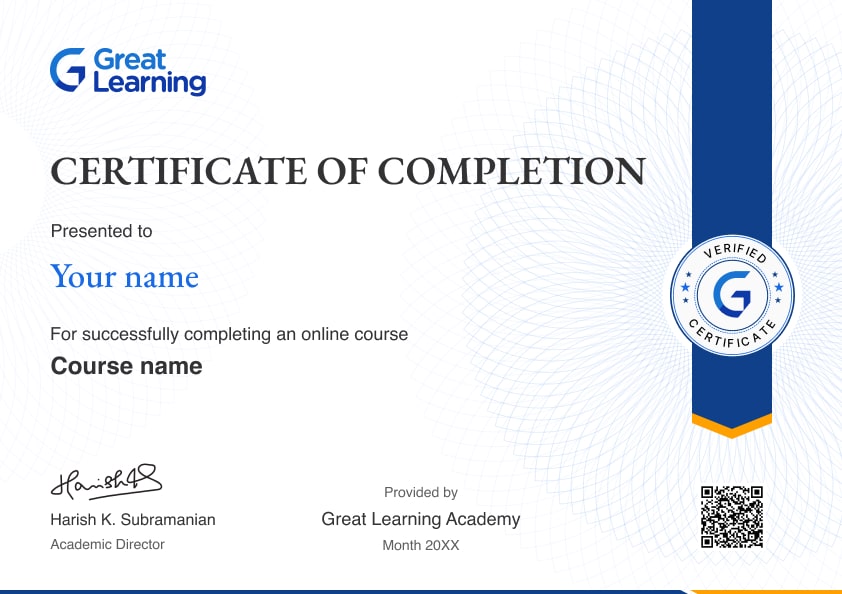
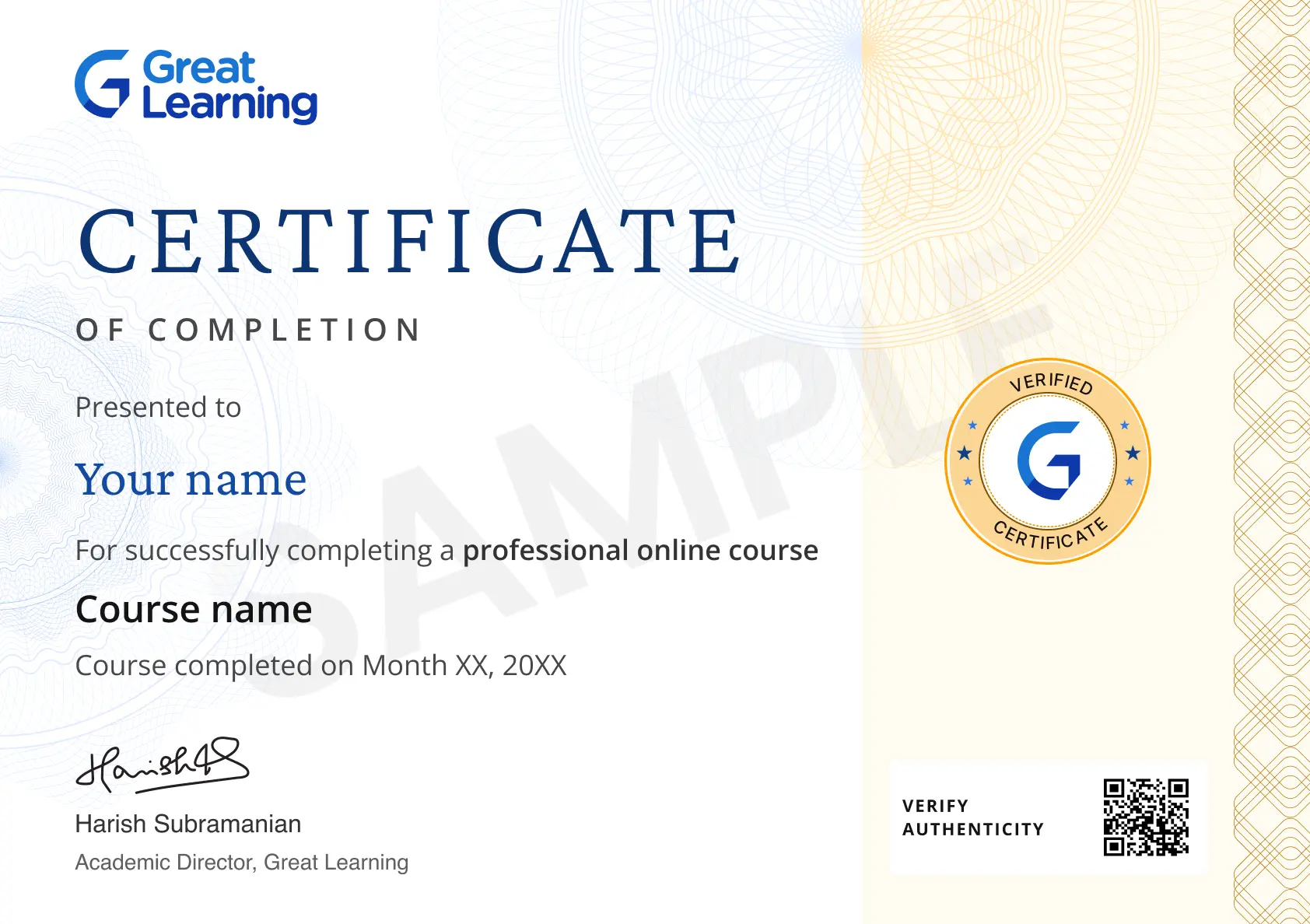
Stand out with an industry-recognized certificate

10,000+ certificates claimed, get yours today!

Get noticed by top recruiters

Share on professional channels

Globally recognised

Land your dream job

Certificate Image

Front Desk & Reception Essentials

3.0 Hours

Beginner

13 learners enrolled so far

Get free course content

Master in-demand skills & tools

Test your skills with quizzes

Trusted by 10 Million+ Learners globally

Frequently Asked Questions

What communication skills will I study in the free receptionist course?

You learn active listening, clear wording, and professional telephone and email communication. The lessons focus on understanding a request and passing on useful information so the right person can take the next step.

How does telephone etiquette training improve message taking?

You study answering, transferring calls, placing callers on hold, and recording messages. These skills help you understand what a colleague needs for a useful follow-up and why the purpose of a call should be clear.

What will I learn about writing emails from a reception desk?

Email lessons cover structure, tone, formatting, and shared inboxes. You consider how to make the action or information easy to find and keep follow-up clear when several colleagues may handle the same conversation.

How do the visitor-management lessons organize an arrival?

You study greetings, sign-in, waiting areas, and coordination with a host. Following the sequence helps you understand how to keep a visitor informed while making sure the appropriate colleague knows they have arrived.

How does the course address appointment scheduling and room bookings?

You learn how appointment details and shared schedules support coordination. The lessons show why changes need to be recorded and communicated so visitors, hosts, and colleagues can work from the same information.

Which administration tasks support daily front desk operations?

You study mail, filing, supplies, and data entry alongside scheduling. These tasks explain how an organized reception desk supports colleagues throughout the day, even when no visitor is waiting to be greeted.

How does reception training approach an upset visitor?

You learn to listen, use calm language, and recognize when a concern needs escalation. The lessons help you understand how to acknowledge a complaint while keeping your response within the responsibilities of your role.

What will I learn about protecting confidential information?

You examine how privacy affects conversations, messages, and visitor records. This helps you understand why information should be handled carefully at a public-facing desk and shared only through appropriate workplace processes.

How are visitor security and incident reporting included?

The course introduces access controls, screening, emergency procedures, and incident records. You study how these responsibilities fit the receptionist's role and when a concern needs to be passed to the responsible staff.

How can beginners prepare for reception work through the course?

You start with the role and communication foundations before studying common workflows. This gives you specific skills to rehearse, such as taking a phone message, updating an appointment, and coordinating a visitor's arrival.

Subscribe to Academy Pro+ & get exclusive features

$29/month

No credit card required

Learn from 40+ Pro courses

Access 500+ certificates for free

700+ Practice exercises & guided projects

Prep with AI mock interviews & resume builder

Enroll For Free