
Earn a certificate & get recognized
Product Lifecycle Management
 4.61
Beginner level
1.5 learning hrs
4.61
Beginner level
1.5 learning hrs
Learn Product Lifecycle Management from basics in this free online training. This free Product Lifecycle Management course is taught hands-on by experts. Learn about its Five Phases, & then learn about SCM, CRM and PLM. Start Now!
Instructor:
Shantnu Rana




About this course
Product Lifecycle Management (PLM) is the process of managing a product from ideation to retirement. It involves managing all the data and processes related to a product, from design and development to production and distribution.
This course will provide you with a comprehensive understanding of PLM, including the five phases of product development and the four stages of PLM. You will learn about the evolution of PLM and its benefits, as well as product lifecycle management software and the closed-loop manufacturing cycle. Additionally, the course will cover the integration of PLM with other systems such as Supply Chain Management (SCM) and Customer Relationship Management (CRM). By the end of this course, you will have a solid understanding of PLM and its role in improving product development and streamlining manufacturing processes.
Whether you are a product manager, engineer, or student, this course is designed to provide you with the knowledge and skills you need to succeed in the field of PLM. So don't wait, enroll in our certificate course today and take the first step towards becoming an expert in Product Lifecycle Management!
Course outline
Summary
This comprehensive module on Organizational Behaviour, covers the concept, importance, elements, levels, types, and objectives of the field. It provides a deep understanding of the subject to enhance interpersonal and communication skills and create a positive work environment.
Introduction To The Course
This module introduces the course structure, objectives, and essential skills needed to begin your journey toward effective leadership and management.
Get access to the complete curriculum once you enroll in the course
 4.61
4.61
Level up with advanced skills & become job ready with Pro+
Subscribe to Pro+ today to build skills with 50+ Pro courses and prep for jobs with advanced AI tools.
 PRO
PRO
.png)

Practice exercises
Guided Projects
AI Resume Builder
AI mock interviews









 Qatar
Qatar

 India
India
 India
India
 India
India
 India
India
 India
India
 India
India
Our course instructor

Shantnu Rana
Academic Counseling Expert
Management Expert


Frequently Asked Questions
Will I receive a certificate upon completing this free course?
Is this course free?
Will I get a certificate after completing this Product Lifecycle Management free course?
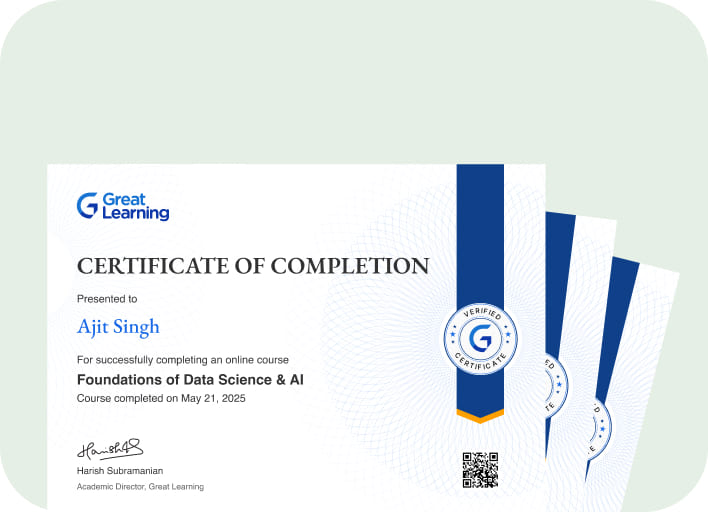
Yes, you will get a certificate of completion for Product Lifecycle Management after completing all the modules and cracking the assessment. The assessment tests your knowledge of the subject and badges your skills.
How much does this Product Lifecycle Management course cost?
It is an entirely free course from Great Learning Academy. Anyone interested in learning the basics of Product Lifecycle Management can get started with this course.
Is there any limit on how many times I can take this free course?
Once you enroll in the Product Lifecycle Management course, you have lifetime access to it. So, you can log in anytime and learn it for free online.
Can I sign up for multiple courses from Great Learning Academy at the same time?
Yes, you can enroll in as many courses as you want from Great Learning Academy. There is no limit to the number of courses you can enroll in at once, but since the courses offered by Great Learning Academy are free, we suggest you learn one by one to get the best out of the subject.
Why choose Great Learning Academy for this free Product Lifecycle Management course?
Great Learning Academy provides this Product Lifecycle Management course for free online. The course is self-paced and helps you understand various topics that fall under the subject with solved problems and demonstrated examples. The course is carefully designed, keeping in mind to cater to both beginners and professionals, and is delivered by subject experts. Great Learning is a global ed-tech platform dedicated to developing competent professionals. Great Learning Academy is an initiative by Great Learning that offers in-demand free online courses to help people advance in their jobs. More than 5 million learners from 140 countries have benefited from Great Learning Academy's free online courses with certificates. It is a one-stop place for all of a learner's goals.
What are the steps to enroll in this Product Lifecycle Management course?
Enrolling in any of the Great Learning Academy’s courses is just one step process. Sign-up for the course, you are interested in learning through your E-mail ID and start learning them for free online.
Will I have lifetime access to this free Product Lifecycle Management course?
Yes, once you enroll in the course, you will have lifetime access, where you can log in and learn whenever you want to.
Become a Skilled Professional with Pro Courses
Gain work-ready skills with guided projects, top faculty and AI tools, all at an affordable price.






.jpg)
.png)



.jpg)

.jpg)
.png)
.jpg)

.png)





.png)
.png)
.png)
.png)
.png)
.png)
.png)
.png)
.png)
.png)
.png)
.png)
.png)
.jpg)
.jpg)
.png)
.jpeg)

.png)
.png)
.png)
 (1).jpg)
.png)
.jpg)


.png)


 (1).png)



.png)
.png)
Recommended Free Management courses
 FREE
FREE
 FREE
FREE
 FREE
FREE
 FREE
FREE

Similar courses you might like
FREE
FREE
 FREE
FREE
 FREE
FREE

Related Management Courses

-

Great Lakes Executive Learning
PGP in Strategic Digital Marketing6 Months · Online · Weekend
Dedicated Career SupportKnow More

Relevant Career Paths >



Product Lifecycle Management Course
Product Lifecycle Management (PLM) is a critical aspect of product development and management. It involves managing all the data, processes, and information related to a product, from ideation to retirement. PLM is a systematic approach to managing the entire lifecycle of a product, from design and development to production and distribution.
The importance of PLM cannot be overstated, as it helps organizations to streamline product development, improve efficiency, and drive innovation. PLM helps organizations to manage complex product information, ensure consistency and accuracy, and ensure compliance with regulatory requirements.
PLM has a wide range of use cases, including product design and development, engineering, and manufacturing. In the product design and development stage, PLM helps organizations to manage product information, collaborate with cross-functional teams, and ensure that product requirements are met. In engineering, PLM helps organizations to manage complex product information and ensure that engineering changes are accurately reflected in the product design. In manufacturing, PLM helps organizations to manage production processes, ensure that products are manufactured to the correct specifications, and track production progress.
The benefits of PLM are numerous and include increased efficiency, improved collaboration and communication, reduced product development time, and reduced costs. PLM also helps organizations to improve product quality, increase innovation, and enhance their competitive advantage.
In conclusion, PLM is an essential tool for organizations looking to improve product development and management processes. Whether you are a product manager, engineer, or student, understanding PLM will provide you with the knowledge and skills you need to succeed in the tech industry.