1000+ Courses for Free

Free Project Management Courses




University & Pro Programs
 UNIVERSITY
Great Lakes Executive Learning
12 months • Online
 PRO
PRO
.png)

Free Project Management Courses

 BASICS


.jpg)


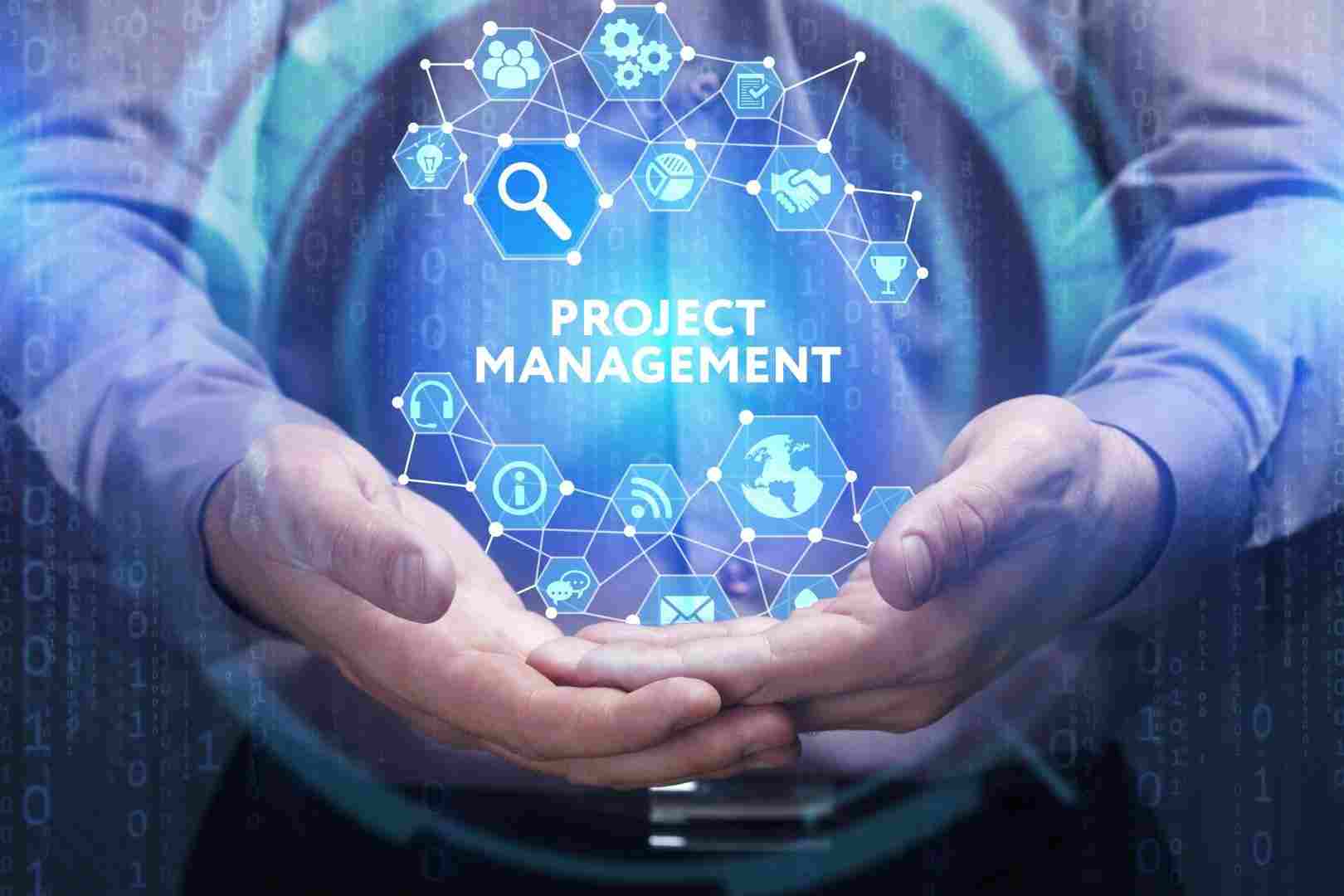

Learn Project Management For Free & Get Completion Certificates
Project management is the process of overseeing a team's activity to complete all project objectives within the established parameters. Project documentation that is prepared at the start of the development process typically includes descriptions of this information. The three main restraints are budget, time, and scope. Optimizing the distribution of necessary inputs and using them to achieve pre-established goals is the secondary problem.
Project management aims to provide a finished product that meets the client's goals. The goal of project management is frequently to modify the client's brief to effectively achieve the client's goals. Once the client's goals are made apparent, they should guide every choice made by everyone else working on the project, including project managers, designers, contractors, and subcontractors. Decision-making is hampered by poorly defined or excessively tightly mandated project management objectives.
A project is a short-term, one-of-a-kind undertaking with specific aims and objectives that are undertaken to achieve specific goals and objectives, usually to bring about positive change or added value. Projects are usually time-constrained and frequently resource-constrained. Projects are inherently transient, in contrast to operations, which are routine, ongoing, or semi-continuous functional activities that create goods or services. In reality, managing such unique production techniques necessitates the development of unique technical abilities and management approaches.
Project Management is a critical skill that enables businesses and organizations to achieve their goals and objectives. It involves planning, organizing, and executing various tasks and activities to meet those goals. It requires the coordination of resources, teams, and processes to ensure successful outcomes.
Project Management can be divided into four main stages: Initiation, Planning, Execution, and Closure. During the Initiation stage, the project manager and team members define the project scope and goals, and they also develop a timeline and budget for the project.
The Planning stage involves creating a detailed plan that outlines the tasks, activities, and resources required to complete the project. During this stage, the project manager and team members also identify any risks and develop strategies to mitigate them.
The Execution stage is when the project is actually implemented. During this stage, the project manager and team members coordinate resources and activities to ensure successful completion. This stage may involve regular meetings to monitor progress and make adjustments as needed.
The Closure stage is when the project is completed and evaluated. During this stage, the project manager and team members review the results of the project and make any necessary changes. The project manager then delivers a final report to stakeholders. Project Management is an essential skill for businesses and organizations, and it requires careful planning and coordination to ensure successful outcomes. With the proper knowledge and experience, project managers can help their teams meet their goals and objectives in a timely and cost-effective manner.
Great Learning Academy has put together a selection of free project management courses to help you understand the core elements of project management and develop the skills you need to succeed. Whether you're new to project management or have been managing projects for years, these courses will help you gather a more comprehensive understanding of the processes and tools used in project management.
You'll learn about project planning, scheduling, budgeting, risk management, and communication. You'll also explore the various project management methodologies and gain an understanding of how to choose the right one for your project. Our free project management courses cover a range of topics, from the basics of project management to advanced concepts. Each course is designed to help you develop the knowledge and skills necessary to lead a project team effectively. Start learning today and take your project management career to the next level.
You can further enhance your business and management skills through the Executive Management Program.



 Morocco
LinkedIn Profile


 South Africa
LinkedIn Profile

 India
India
LinkedIn Profile
 Morocco
LinkedIn Profile
 Morocco
LinkedIn Profile
 Morocco
LinkedIn Profile
 India
India
LinkedIn Profile
 Morocco
LinkedIn Profile
 India
India
LinkedIn Profile
 India
India
LinkedIn Profile
Frequently Asked Questions
What are the prerequisites required to learn these Project Management courses?
These courses include beginner-level Project Management introduction to give you foundational knowledge on required concepts. So, you need not do any homework before learning from these free courses.
How long does it take to complete these Project Management courses?
These courses include 1-2 hours of video lectures. These courses are, however, self-paced, and you can complete them at your convenience.
What knowledge and skills will I gain upon completing these free Project Management courses?
After completing these courses, you will have gained a foundational understanding of Project Management and earned skills to work on various types of projects through insights from Asana and Slack Project Management examples. You will also learn essential concepts of Product Management.
Will I have lifetime access to these free Project Management courses with certificates?
Yes. You will have lifetime access to these courses after enrolling in them and access to certificates after completing the course.
Will I get a certificate after completing these free Project Management courses?
Yes. After completing them successfully, you will receive a certificate of completion for each course.
How much do these Project Management courses cost?
These are free courses, and you can enroll in them and learn for free online.
What are my next learning options after these Project Management courses?
These free Project Management courses give you a competitive edge in your professional life. You can register for the Management certificate courses to escalate your learning in business and management domains.
Is it worth learning Project Management?
Prospective project managers might develop the many abilities necessary to complete the many duties necessary to complete a job by studying. There are numerous chances for progress. Project managers with extensive experience, specific training, and certifications may earn up to twice as much as entry-level workers.
Why is Project Management so popular?
People with non-technical backgrounds are increasingly turning to Project Management professions as a means of making lucrative tech salaries. Project managers must be generalists with a talent for effective communication, organization, critical thinking, and resourcefulness – abilities that transfer well across a variety of industries.
What jobs demand you learn Project Management?
Handsomely paying in-demand Project Management professions include,
- Project Manager
- Program Manager
- Business Change Manager
- Organizational Change Manager
- Delivery Manager.
- PMO Manager
Why take Project Management courses from Great Learning Academy?
Great Learning Academy offers a wide range of high-quality, completely free Project Management courses. From beginner to advanced level, these free courses are designed to help you improve your Project Management skills and achieve your goals. All these courses come with a certificate of completion, so you can demonstrate your new skills to the world. Start learning today and discover the benefits of free Project Management courses!
Who are eligible to take these free Project Management courses?
These courses have no prerequisites. Anybody can learn from these courses for free online.
What are the steps to enroll in these free Project Management courses?
To learn Project Management from these courses, you need to,
- Go to the course page
- Click on the "Enroll for Free" button
- Start learning the Project Management course for free online.
Media spotlight and awards
-

Wharton Online Kickstarts the First Cohort for Its 12-Week Advanced Digital Marketing and Growth Strategies Program in Collaboration With Great Learning
Read Article
-
3 ways women can reach the C-suite even though research shows the odds are against them
Read Article
-
Helping High School Students Develop Real-Life Tech Skills
Read Article
-
How this leader is morphing education to meet the needs of today’s economy
Read Article
-
How Upskilling Can Help You Advance in Your Career
Read Article
-
OPINION: Companies will be more likely to retain top talent by investing in employees’ professional growth and development
Read Article
-
Learning opportunities will cultivate a talented, motivated workforce
Read Article
-
Great Learning Collaborates with Wharton Online to Expand Access to Premier Business Courses
Read Article
-
The Great Resignation & The Future Of Work: Mohan Lakhamraju Of Great Learning On How Employers and Employees Are Reworking Work Together
Read Article
-
Hispanic Heritage Month: Great Learning celebrates the inspiring stories of resilience and courage of its Hispanic American Learners
Read Article