 PRO
PRO
Python DSA Course
Data Structures and Algorithms with Python
Learn the fundamentals of Python, including data structures like Lists, Tuples, and Dictionaries. Join this Python DSA course and master algorithms such as Searching, Sorting, and Greedy to solve real-world programming challenges.
Build skills and get job ready
Skill prep
Job prep

50+ Guided Projects

AI Resume Builder

AI Mock Interviews
About this course
This DSA using Python course equips you with essential skills to work with Python’s key data structures, such as Lists, Tuples, Sets, and Dictionaries. You’ll learn practical implementations of these structures and understand their real-world applications. From there, you’ll gain expertise in Stack and Queue operations, Linked Lists for dynamic memory management, and Binary Search Trees for efficient hierarchical data organization. You'll also master tree traversal techniques, heaps, and priority queues, which are fundamental for optimized data handling. In addition, the DSA in Python course covers the core principles of algorithms, including Searching and Sorting algorithms like binary search and quicksort, helping you solve problems efficiently. You'll also explore Divide and Conquer strategies for tackling complex problems and Greedy algorithms that focus on making optimal choices in problem-solving. By the end of this course, you'll be capable of applying these algorithms to solve practical challenges in computer science, laying a strong foundation for advanced programming and problem-solving roles.
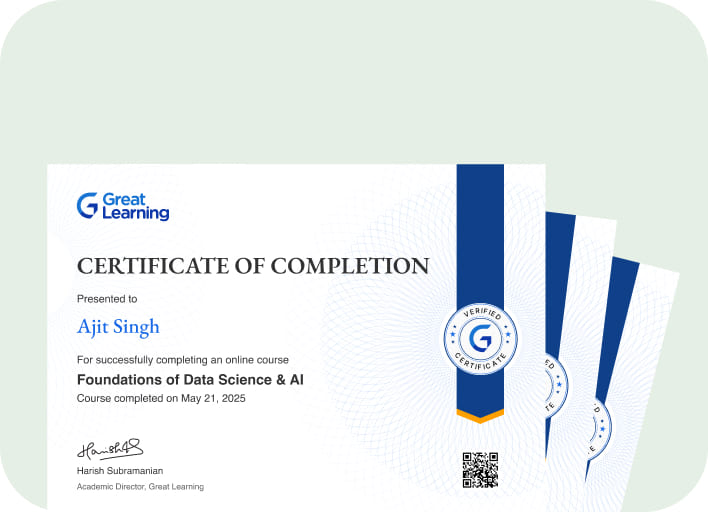
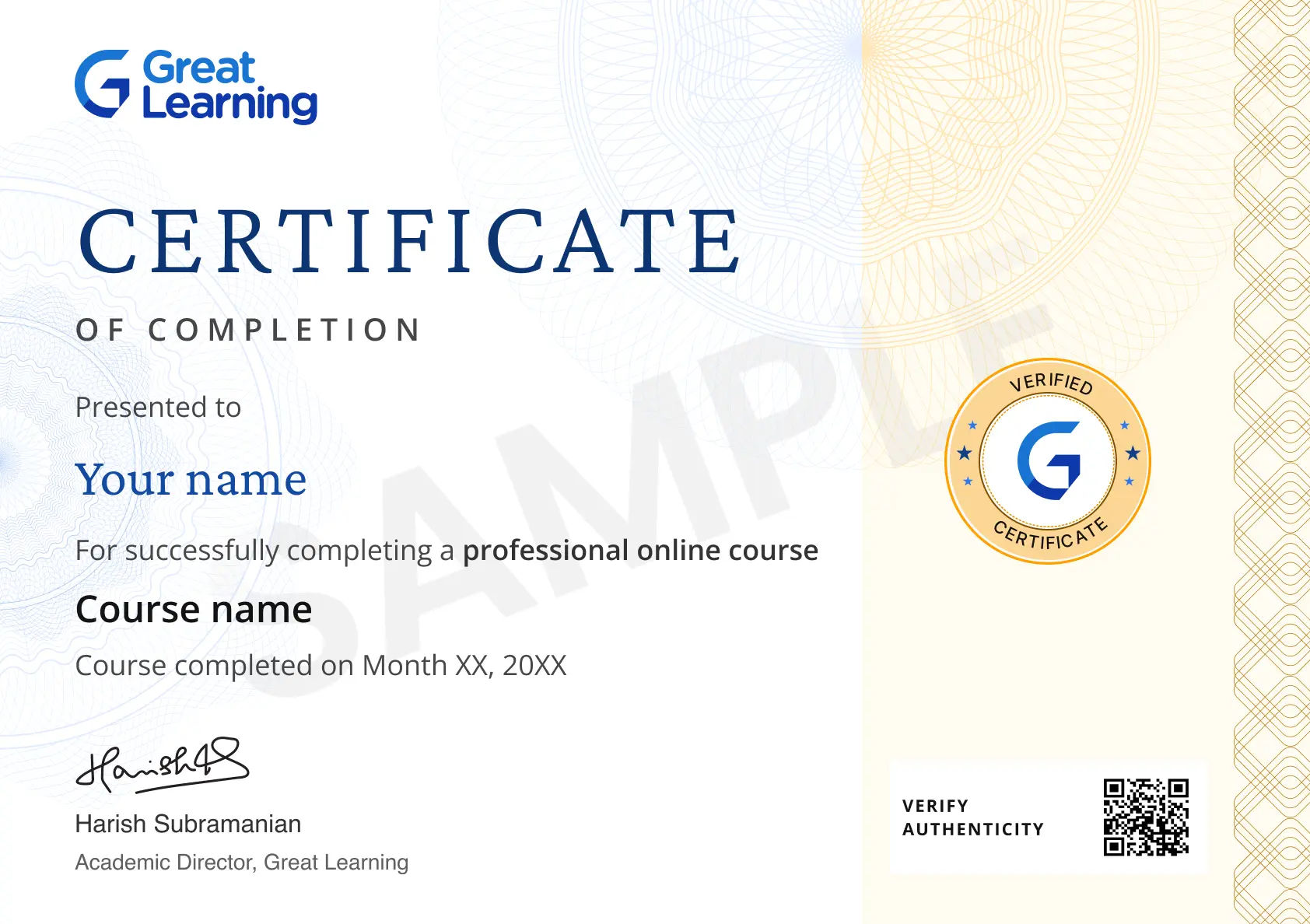
Earn a certificate with an Academy Pro+ subscription
Subscribe To Pro+ • $29/Month

Stand out to recruiters
Share on professional channels
Globally recognised
Land your dream job
Course outline
Industry focussed curriculum designed by experts
Foundations of Python and Fundamental Data Structures
5 items
1.22 hr
- Course Overview
- Introduction and Foundations of Python
- List
- Tuple
- Dictionary
- Set
- Strings
Stack and Queue in Python
6 items
0.42 hr
- Stack IsEmpty - Implementation
- Push - Implementation
- Pop - Implementation
- Queue IsEmpty - Implementation
- Enqueue - Implementation
- Dequeue - Implementation
Linked Lists
4 items
0.29 hr
- Introduction to LinkedList
- Declaration and Initialization
- LinkedList Insertion - Implementation
- LinkedList Deletion - Implementation
Trees and Binary Search Trees
9 items
0.35 hr
- Tree Traversal Implementation
- Tree Traversal Pseudocode
- BST - Insertion Pseudocode
- BST - Insertion Implementation
- BST - Searching Algorithm
- BST - Searching Pseudocode
- BST - Searching Implementation
- BST - Deletion Pseudocode
- BST - Deletion Implementation
Traversals, Heaps and Priority Queues
4 items
0.19 hr
- Level Order Traversal - Pseudocode
- Level Order Traversal - Searching
- Level Order Traversal - Implementation
- Heaps and Priority Queues
Introduction to Algorithms
16 items
3.03 hr
- What is an Algorithm
- Classification of Algorithms
- Algorithmic Analysis
- Types of Algorithmic Analysis
- Need to learn Complexity Theory
- Time Complexity
- Worst case Time Complexity
- Space Complexity
- Complexity Theory
- P and NP
- NP-Complete and NP-Hard
- Travelling Salesman Problem
- Introduction to Recursion
- Problem Solving on Recursion
- Time Complexity-2
- Space Complexity-2
Searching Algorithms
6 items
0.48 hr
- Linear Search
- Linear Search - Implementation
- Binary Search
- Binary Search - Implementation
- Three Sum - Problem
- Three Sum - Implementation
Sorting Algorithms
27 items
3.16 hr
- Introduction to Sorting
- Bubble Sort vs Selection Sort vs Insertion Sort
- Introduction to Bubble Sort
- Bubble Sort - Pseudocode
- Bubble Sort - Analysis
- Bubble Sort - Implementation
- Introduction to Selection Sort
- When to use Selection Sort
- Selection Sort - Pseudocode
- Selection Sort - Analysis
- Selection Sort - Implementation
- Introduction to Insertion Sort
- When to use Insertion Sort
- Insertion Sort - Pseudocode
- Insertion Sort - Analysis
- Insertion Sort - Implementation
- Introduction to Merge Sort
- When to use Merge Sort
- Merge Sort - Pseudocode
- Merge Sort - Implementation
- Introduction to Quick Sort
- When to use Quick Sort
- Quick Sort - Analysis
- Quick Sort - Implementation
Divide and Conquer
4 items
0.41 hr
- Introduction to Divide & Conquer
- Calculating Time Complexity
- Advantages & Disadvantages
- Divide & Conquer - Application
Greedy Algorithms
6 items
1.03 hr
- Introduction to Greedy Algorithm
- Working of Greedy Algorithm
- Greedy Problem1
- Greedy Problem2
- Greedy Problem3
- Application of Greedy Algorithm
Get access to the complete curriculum with your free trial
Start 7-Day Free TrialGuided Projects
Solve real-world projects with a step-by-step guide, starter code templates, and access to model solutions to boost your skills and build a standout resume.
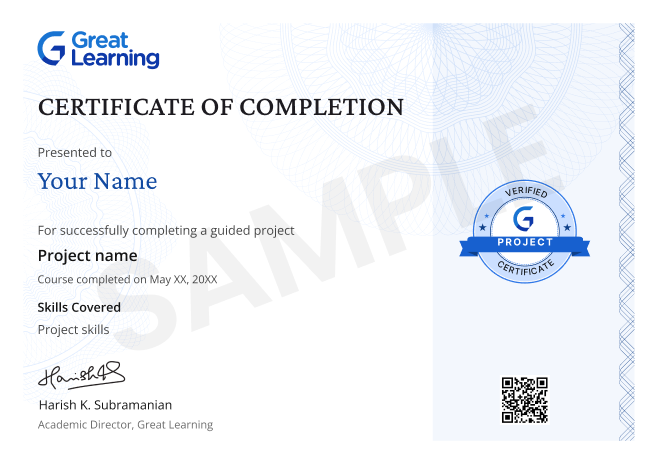
Get a project certificate to add to your resume
Earn a certificate for every project you complete.
- GUIDED PROJECT 1
- Warehouse Package Sorting System
- In this project, you have been tasked with developing a system for a warehouse that sorts incoming packages based on priority and size. The warehouse has different zones, and each zone can only accommodate a certain number of packages. The goal is to optimize the sorting process to minimize time and maximize space efficiency.
Gain skills & build your resume with complete access to guided projects in your free trial
Start 7-Day Free TrialCourse Instructors

Mr. Vishwa Mohan
Staff Engineer @ LinkedIn | IIT Grad | Technology enthusiast | Mentor | Public Speaker
Our Learners Experience

Frequently Asked Questions
What will I learn in the Data Structures and Algorithms with Python course?
This Python DSA course covers core concepts in Python programming and data structures like Lists, Tuples, Sets, Dictionaries, and Stacks. You will learn algorithms such as Searching, Sorting, Divide and Conquer, and Greedy methods, and apply them through hands-on projects
Who should take this DSA using Python course?
This course is ideal for beginners who have a basic understanding of Python programming. It’s perfect for anyone looking to strengthen their problem-solving skills and gain practical experience in using Python for data structure and algorithm implementation.
Do I need to know Python before taking this course?
Yes, a basic understanding of Python programming is required. The course builds on your Python knowledge, expanding it with data structures and algorithms to enhance your problem-solving abilities.
What skills will I gain from this DSA with Python course?
You will gain the following problem-solving skills like:
Problem-Solving with Algorithms
Efficient Data Management
Algorithm Optimization
Recursion and Divide-and-Conquer
Python Programming Proficiency
How does this python with DSA course help with job preparation?
By mastering data structures and algorithms, you will improve your coding interview preparation and strengthen your ability to solve complex problems, making you more competitive for software development and technical roles.
Is this Python with DSA course suitable for beginners?
Yes, this course is designed for beginners with a basic understanding of Python. It introduces data structures and algorithms gradually, making complex topics accessible through easy-to-follow examples and exercises.
What are the key topics covered in this course?
The course covers the following key topics:
Foundations of Python and Fundamental Data Structures
Stack and Queue in Python
Linked Lists
Trees and Binary Search Trees
Traversals, Heaps and Priority Queues
Introduction to Algorithms
Searching Algorithms
Sorting Algorithms
Divide and Conquer
Greedy Algorithms
Can I learn DSA in Python online at my own pace?
Yes, this course is structured to be self-paced, allowing you to learn at your own speed and access the materials whenever convenient. This is perfect for learners balancing other commitments while gaining hands-on experience.
What are some practical applications of DSA in Python?
This course will help you apply data structures and algorithms to solve real-world problems in areas such as optimizing search operations, sorting large datasets, implementing efficient memory management, and solving complex computational tasks in Python.
How can I apply what I learn in this Data Structures and Algorithms in Python online course?
By the end of the course, you will be equipped to build more efficient and optimized solutions to problems. You'll work on projects like implementing data structures and algorithms in Python, which can be used to solve real-life software challenges.
Can I learn data structures and algorithms using Python as a beginner?
Yes, this course is designed for beginners, providing a strong foundation in both Python programming and essential data structures and algorithms
What is the best way to learn DSA in Python?
The best way to learn DSA in Python is to follow a structured course that offers a mix of theory and practical exercises, as well as hands-on projects that solidify the concepts.
How long does it take to learn data structures and algorithms in Python?
The time it takes to learn DSA in Python varies by learner, but with consistent effort, the concepts can be grasped effectively in a few weeks. This course is designed to be completed at your own pace, ensuring thorough understanding
Subscribe to Academy Pro+
Build skills and prepare for jobs with access to 500+ courses, certificates and tools.
Subscribe To Pro+ • $29/Month
Skill Prep
Build skills with courses, practice with tools and earn certificates.

500+ courses

500+ Coding Exercises

Microsoft & AWS certificates

Job Prep
Work on industry-relevant scenarios, build professional resumes & prepare for jobs with mock interviews
50+ Guided Projects
AI Resume Builder
AI Mock Interviews
Application-driven learning to
Become a Skilled Professional with Pro Courses
Gain work-ready skills with guided projects, top faculty and AI tools, all at an affordable price.








.jpg)

.png)


.png)










.png)
 (1).jpg)

.png)

.png)
.png)
.png)
.png)
.png)
.png)


.png)
.png)
.png)



.png)
 (1).png)



.png)
.png)
.png)


.png)
.png)
.png)
.png)


.png)

.png)
.jpg)

.jpg)
.jpg)
.jpeg)
.png)
.jpg)
.jpg)
.png)