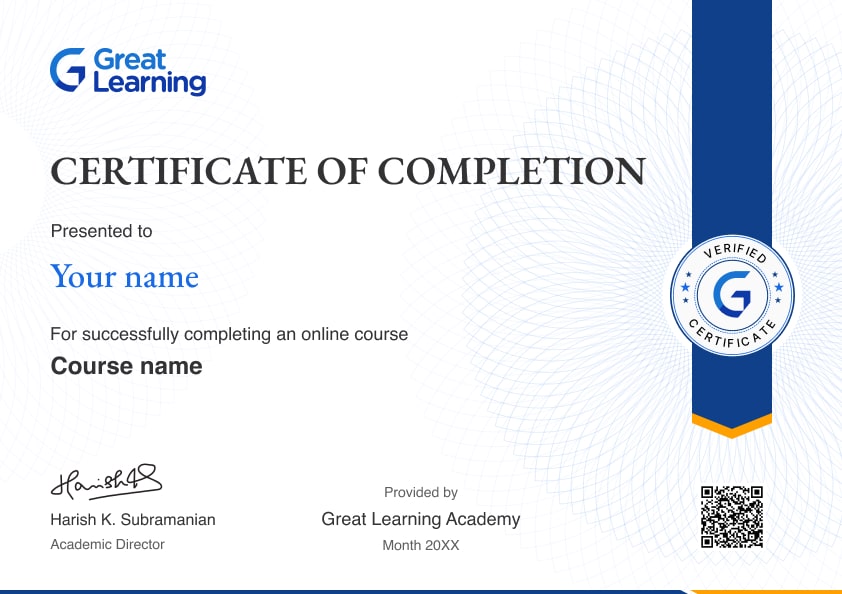
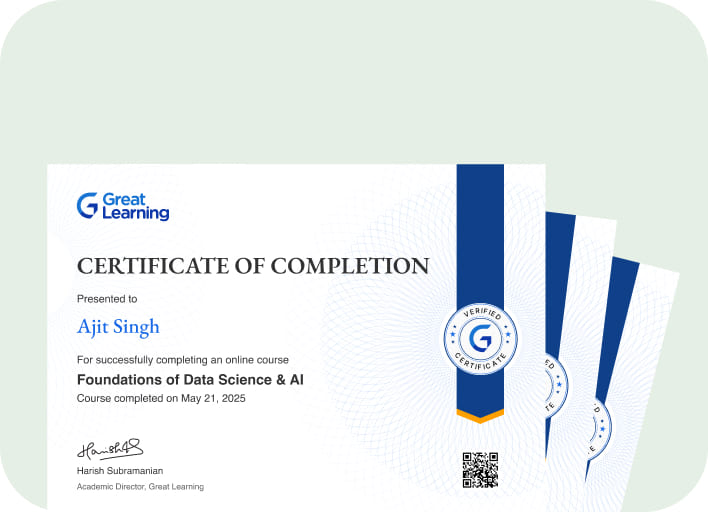
Earn a certificate & get recognized
Basics of Debt Management
 4.57
Beginner level
1.5 learning hrs
4.57
Beginner level
1.5 learning hrs
Begin your journey to a deeper understanding of Debt Management with our free Introduction to Debt Management course. Join now to gain insights from our experienced experts and expand your expertise.




About this course
Unlock the secrets of financial stability with our Basics of Debt Management course. Dive into the world of debt with an introductory module, grasp the nuances of various debt types, and understand how interest rates impact your finances. Learn essential tools and techniques to manage debt effectively, from budgeting and consolidation to negotiation with creditors. Discover the art of preventing future debt through credit building, savings strategies, and disciplined spending. Real-life case studies will illuminate successful debt management journeys. By course end, you'll be empowered to make informed financial decisions, craft debt repayment plans, and secure a debt-free future. Join us for a brighter financial tomorrow.
Course outline
Introduction to Debt Management
This module provides an overview of debt, its definitions, and significance. It guides learners in creating debt management plans, prioritizing debts, employing payment strategies, and establishing emergency funds.
Types of Debt and Interest Rates
This module delves into diverse debt types (secured, unsecured), interest rate variations, and common debt sources, providing a comprehensive understanding of debt dynamics.
Tools and Techniques for Managing Debt
This module encompasses essential topics: budgeting, debt payoff strategies (snowball vs. avalanche), debt management tools, and the psychology behind effective debt management.
"Preventing Future Debt and Case Studies on Debt Management "
This module focuses on fostering smart spending habits, cultivating strong credit, enhancing negotiation skills, understanding credit scores, and analyzing real-life debt management case studies.
Get access to the complete curriculum once you enroll in the course
 4.57
4.57






 India
India
 India
India
 India
India
 India
India
Frequently Asked Questions
Will I receive a certificate upon completing this free course?
Is this course free?
What are the prerequisites required to learn this Free Basics of Debt Management Course?
You do not need any prior knowledge to learn this Basics of Debt Management Course.
How long does it take to complete this Free Basics of Debt Management Course?
It is a 1.0 hour long course, but it is self-paced. Once you enrol, you can take your own time to complete the course.
Will I have lifetime access to the free course?
Yes, once you enrol in the course, you will have lifetime access to any of the Great Learning Academy’s free courses. You can log in and learn whenever you want to.
Will I get a certificate after completing this Free Basics of Debt Management Course?
Yes, you will get a certificate of completion after completing all the modules and cracking the assessment.
How much does this Basics of Debt Management Course cost?
It is an entirely free course from Great Learning Academy.
Is there any limit on how many times I can take this free course?
No. There is no limit. Once you enrol in the Free Basics of Debt Management Course, you have lifetime access to it. So, you can log in anytime and learn it for free online.
Who is eligible to take this Free Basics of Debt Management Course?
You do not need any prerequisites to learn the course, so enrol today and learn it for free online.
Become a Skilled Professional with Pro Courses
Gain work-ready skills with guided projects, top faculty and AI tools, all at an affordable price.
 PRO
PRO







 (1).jpg)
.jpg)
.png)







.jpeg)

.png)
.png)
.jpg)

.png)
.png)
.png)
.png)
.png)
.png)
.png)







.png)
.png)
.png)
.png)

.png)
.jpg)
.jpg)
.png)
.png)



.png)
.png)
.jpg)


.png)
.png)
.jpg)
.png)
.jpg)


.png)





 (1).png)





.png)
.png)



Recommended Free Management courses
 FREE
FREE
 FREE
FREE
 FREE
FREE
 FREE
FREE

Similar courses you might like
FREE
.jpg) FREE
FREE
 FREE
FREE
 FREE
FREE


Related Management Courses

-
Sponsored

Great Lakes Institute of Management
Post Graduate Diploma in Management (Online)24 Months · Online
Online MBA EquivalentKnow More
-
Walsh College
Doctor of Business Administration in General Management3 Years · Online
Top 10 best online DBA DegreeKnow More
-
Great Lakes Executive Learning
Executive PG Program in Management12 months · Online
Certificate from Great LakesKnow More





Relevant Career Paths >



Basics of Debt Management
Debt is a financial obligation that most individuals and organizations encounter at some point in their lives. While debt can be a useful tool for achieving goals and managing cash flow, it can also become a burdensome and stressful burden when mismanaged. Effective debt management is crucial for maintaining financial stability and achieving long-term financial goals. In this article, we will explore the importance of debt management and provide strategies for managing debt wisely.
Understanding Debt
Debt comes in various forms, including credit card debt, student loans, mortgages, personal loans, and business loans. It is essential to understand the types of debt and their terms to make informed decisions. Good debt is an investment that has the potential to increase your net worth over time, such as a mortgage for a home or student loans for education. Bad debt, on the other hand, is money borrowed for non-essential expenses, often with high-interest rates, like credit card debt for luxury purchases.
The Importance of Debt Management
- Financial Stability: Proper debt management helps individuals and organizations maintain financial stability by ensuring that debt obligations do not exceed their ability to repay. It prevents the accumulation of excessive debt, which can lead to financial stress and bankruptcy.
- Creditworthiness: Managing debt responsibly positively impacts credit scores and creditworthiness. A good credit history opens doors to better interest rates, easier access to credit, and favorable terms on loans and mortgages.
- Financial Goals: Debt management is essential for achieving long-term financial goals. Whether it's saving for retirement, purchasing a home, or starting a business, effective debt management ensures that debt does not hinder your progress.
Strategies for Effective Debt Management
- Create a Budget: Start by creating a detailed budget that outlines your income, expenses, and debt obligations. A budget helps you understand your financial situation and identify areas where you can cut expenses to allocate more funds towards debt repayment.
- Prioritize High-Interest Debt: Focus on paying off high-interest debt first, such as credit card debt. High-interest debt can quickly spiral out of control if not addressed promptly.
- Debt Consolidation: Consider consolidating multiple debts into a single, lower-interest loan. Debt consolidation can simplify payments and reduce interest costs, making it easier to manage and pay off debt.
- Snowball or Avalanche Method: Choose a debt repayment strategy that suits your financial situation. The snowball method involves paying off the smallest debts first, providing a sense of accomplishment. The avalanche method prioritizes high-interest debt to minimize interest costs over time.
- Negotiate with Creditors: If you are struggling to make payments, don't hesitate to contact your creditors. They may be willing to negotiate lower interest rates, extended repayment terms, or even settle for a reduced amount in some cases.
- Build an Emergency Fund: Having an emergency fund of three to six months' worth of expenses can prevent you from relying on credit cards or loans in times of unexpected financial setbacks.
- Avoid New Debt: While paying down existing debt, avoid accumulating new debt whenever possible. Practice disciplined spending and resist the temptation to make impulsive purchases.
- Financial Education: Continuously educate yourself about personal finance and debt management. Understanding financial concepts and strategies empowers you to make informed decisions.
Conclusion
Debt is a common financial tool that, when managed effectively, can help individuals and organizations achieve their goals. However, mismanaged debt can lead to financial stress and instability. By understanding the types of debt, creating a budget, prioritizing repayment, and adopting responsible financial habits, individuals and organizations can navigate the path to financial wellness. Effective debt management is not just about paying off debt but also about building a secure and prosperous financial future.